ChronoSpeak
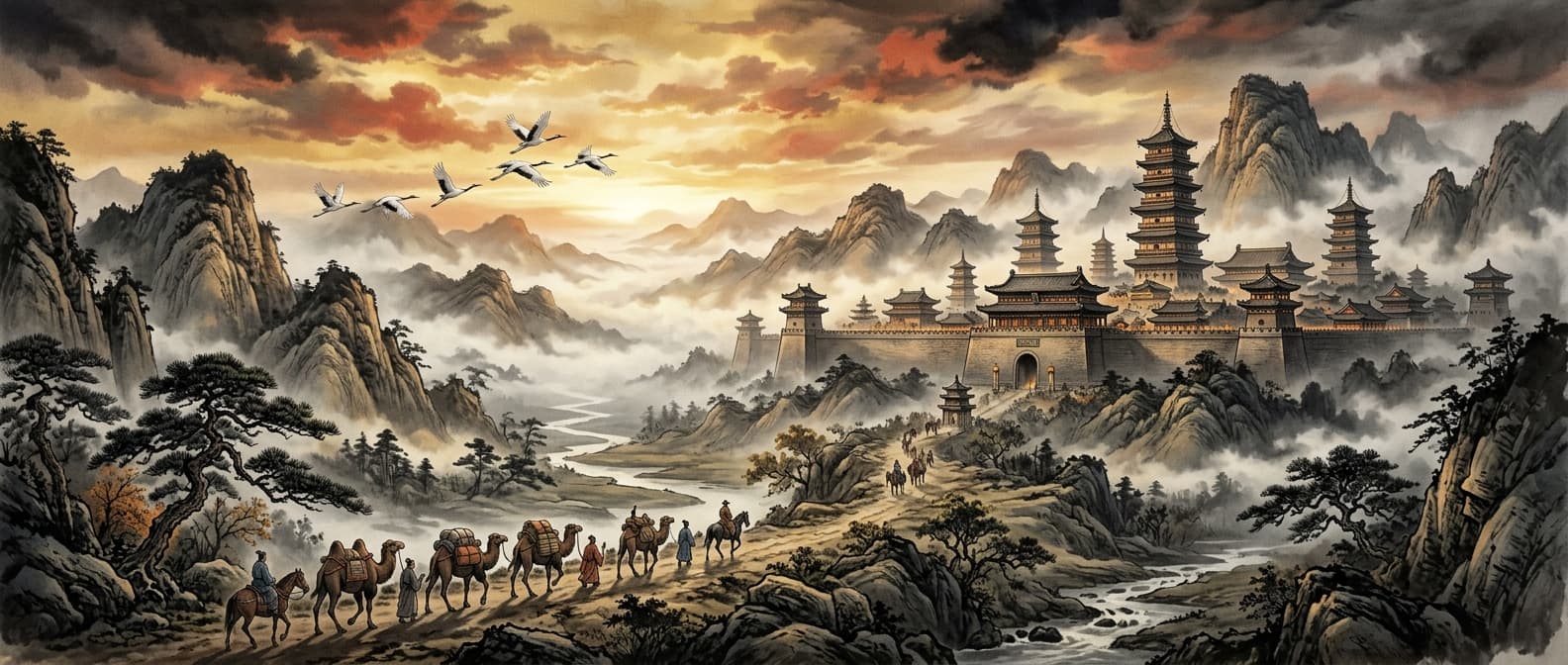
A panoramic ink-wash vista of imperial China: a walled city at dusk, distant pagodas, mountains dissolving into mist.
ChronoSpeak · Ancient China & Feudal Japan

Learn a language from the people who spoke it first.

ChronoSpeak drops you into Tang Chang'an, Song Bianjing and Ming Suzhou — or Kamakura, Kyoto and Edo — and gives you a character who answers in Chinese or Japanese, with Pinyin or Romaji and a translation one tap away. Haggle for saffron. Take tea with Rikyū. Argue your way onto a treasure ship.

Eras
6
Eras
Scenes
14
Scenes
Memory entries
38
Memory entries
Languages
2
Languages
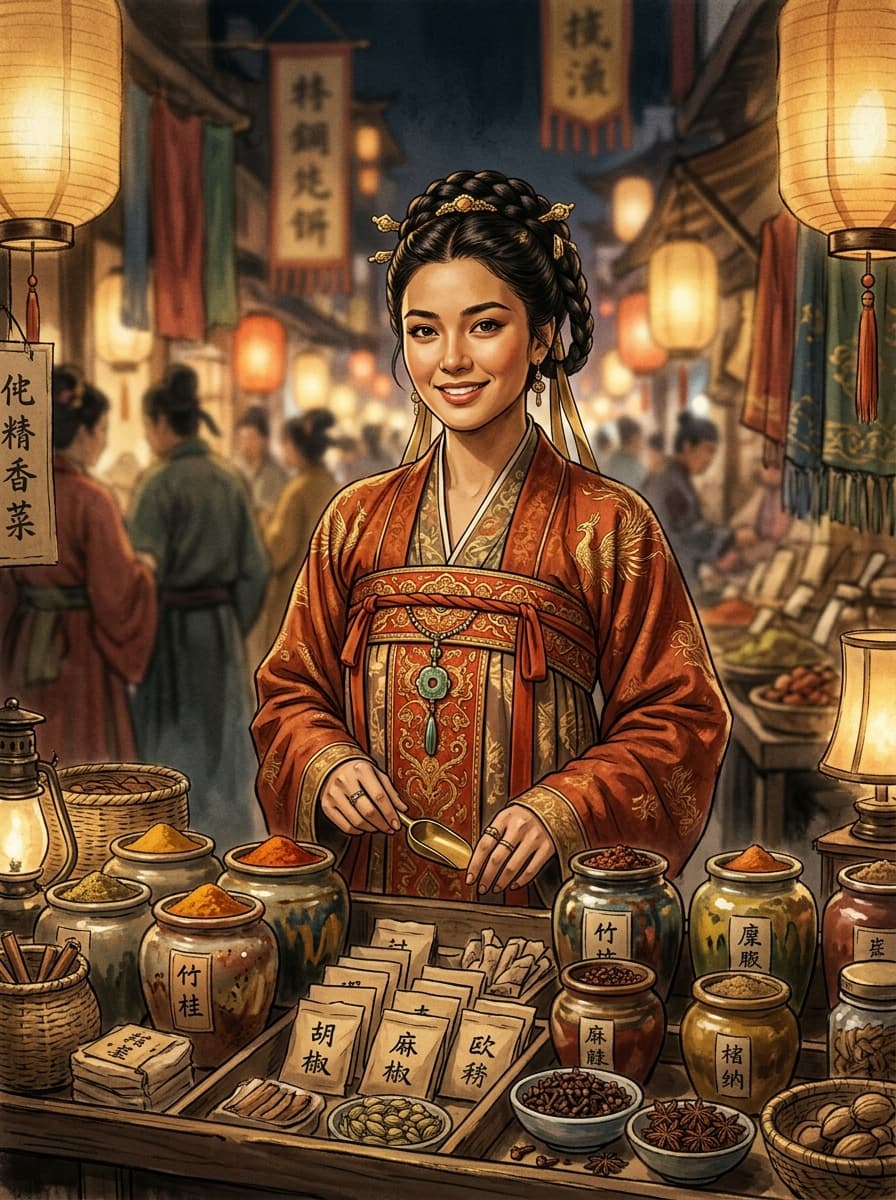
Portrait of Su Hexiang, a Tang dynasty spice merchant in a rust-red robe, standing behind a stall of jars and paper packets.

Su Hexiang

Spice merchant of the West Market · Tang Chang'an

Live
客官,来看看!这是刚从西域运来的香料。

Honoured customer, come and look! This spice has just arrived from the Western Regions.

Tap a toggle →
The worlds

One engine, every era

Each module is a complete historical world with its own cast, its own accent palette and its own language profile. Ancient China and Feudal Japan are live; two more are in the workshop.

A panoramic ink-wash vista of imperial China: a walled city at dusk, distant pagodas, mountains dissolving into mist.
Live now

Ancient China

Imperial China · 618–1644 CE

A thousand years of imperial China, from the cosmopolitan markets of Tang Chang'an to the scholar gardens of Ming Suzhou. You do not read about these people — you talk to them, in their language, and they answer.

3 dynasties7 scenes中文 · Pinyin
Open the Scene Hub
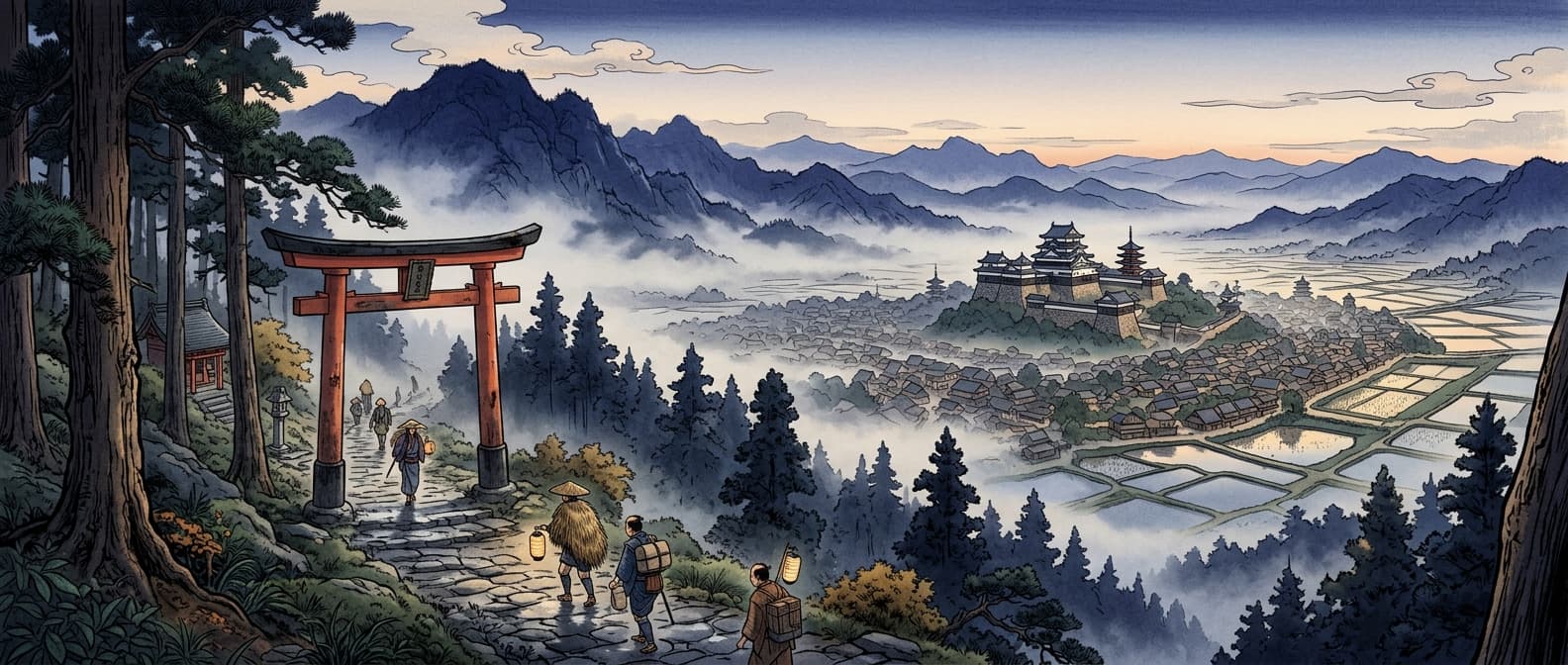
A panoramic view of feudal Japan: a vermilion torii gate on a mountain road, cedar forest and a distant castle town in dawn mist.
Live now

Feudal Japan

Feudal Japan · 1185–1868 CE

Seven centuries of warrior government, temple gardens and city life, from the shogunate at Kamakura to the print studios of Edo. Practice Japanese with fishmongers, tea masters, regents and artists — and learn the language from the people who shaped it.

3 periods7 scenes日本語 · Romaji
Open the Scene Hub
Planned

Imperial Rome

Imperial Rome · 27 BCE–476 CE

Latin needs no romanisation — the phonetic helper switches to vowel quantity marks automatically.

In the workshop — Pro unlocks it on release
Planned

Renaissance Europe

Renaissance Europe · 1400–1600 CE

CEFR-aligned levels, stress-mark helpers, and an Italian profile that needed no new UI code.

In the workshop — Pro unlocks it on release

2 of 4 modules are live. Subscribing to Pro unlocks every module as it ships.

The method

Immersion with a safety net

Free conversation teaches you to survive. Authored dialogue teaches you to speak well. ChronoSpeak gives you both, and tells you which one you are in.

Characters, not chatbots

Every persona has a century, a trade, a register and a set of things they refuse to talk about. Su Hexiang will not discuss events after 907 CE, because for her they have not happened.

The phonetic helper, done properly

Pinyin is not hard-coded anywhere. The label, the script and the proficiency scale come from the language profile — so Japanese renders Romaji and Latin renders vowel quantity marks, with no new code.

A Language Helper that keeps up

Vocabulary, culture notes and grammar explanations attach to the line that needs them. The 太…了 frame arrives the moment you say 太贵了, not three chapters earlier.

Hear it, then say it

Every character line is speakable. Browser voices work today at no cost; ElevenLabs and OpenAI voices plug in behind the same interface when you want the good ones.

Hold to talk

Voice input with speech recognition, so you practise the tones with your mouth rather than your eyes — with the transcript shown before anything is sent.

A memory log worth filling

Idioms, historical figures, places and artefacts are collectibles with rarity and XP. 和气生财 is not a flashcard. It is something you took off a merchant in the West Market.

Streaks that respect your midnight

Daily counters roll over on your local calendar day, not UTC — so a 11pm session in Seoul counts for today, which is when it actually happened.

Ancient China

Seven scenes, one thousand years

Start free in the West Market. Everything else opens with Pro — except the Scholar's Garden, which has no script at all, and is the whole point of Max.

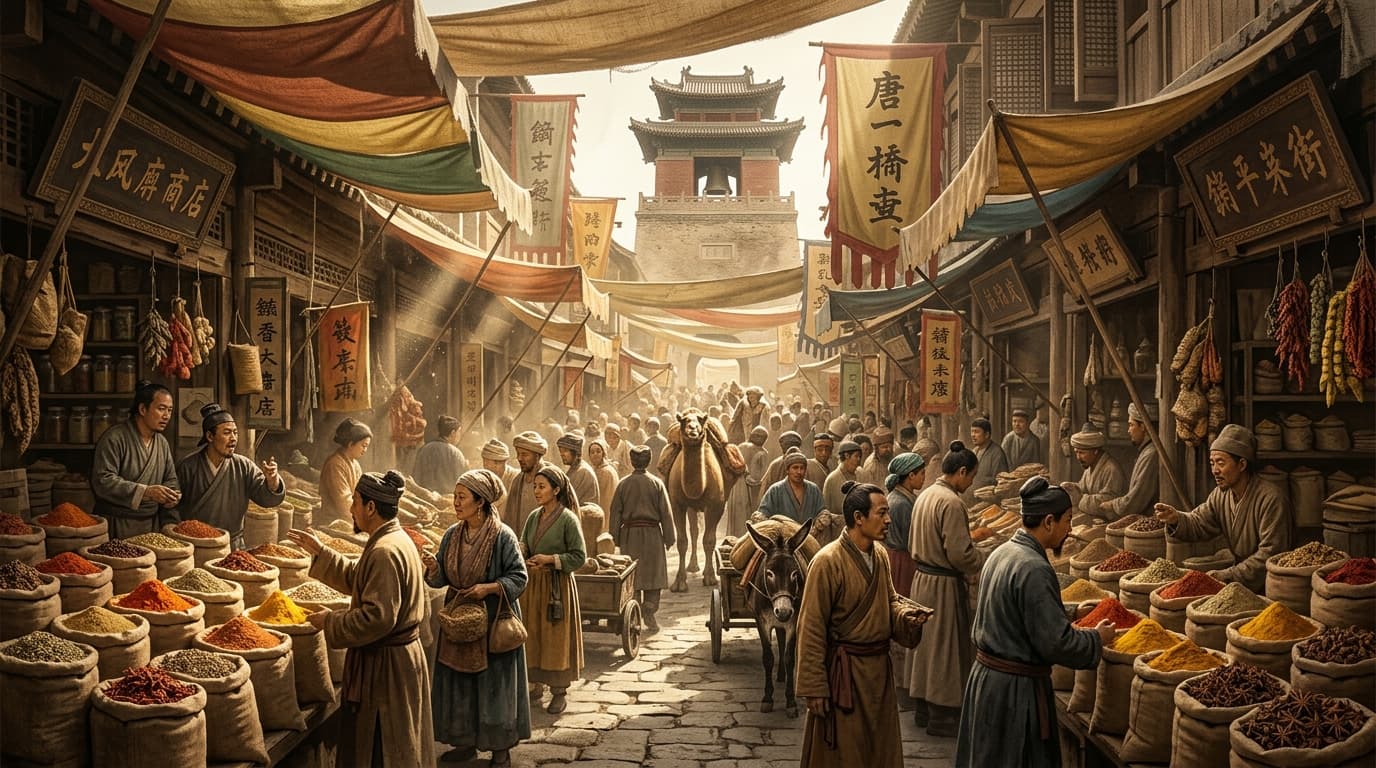
The West Market of Chang'an at noon, crowded lanes of spice stalls under cloth awnings with the bell tower behind.
BeginnerStart here
Free

The West Market

Tang Dynasty

西市Xī Shì

Haggle for saffron with a merchant who has heard every language on the Silk Road.

~12 min1 characterScripted path · Free talk9 words
中文PinyinChang'an, the West Market
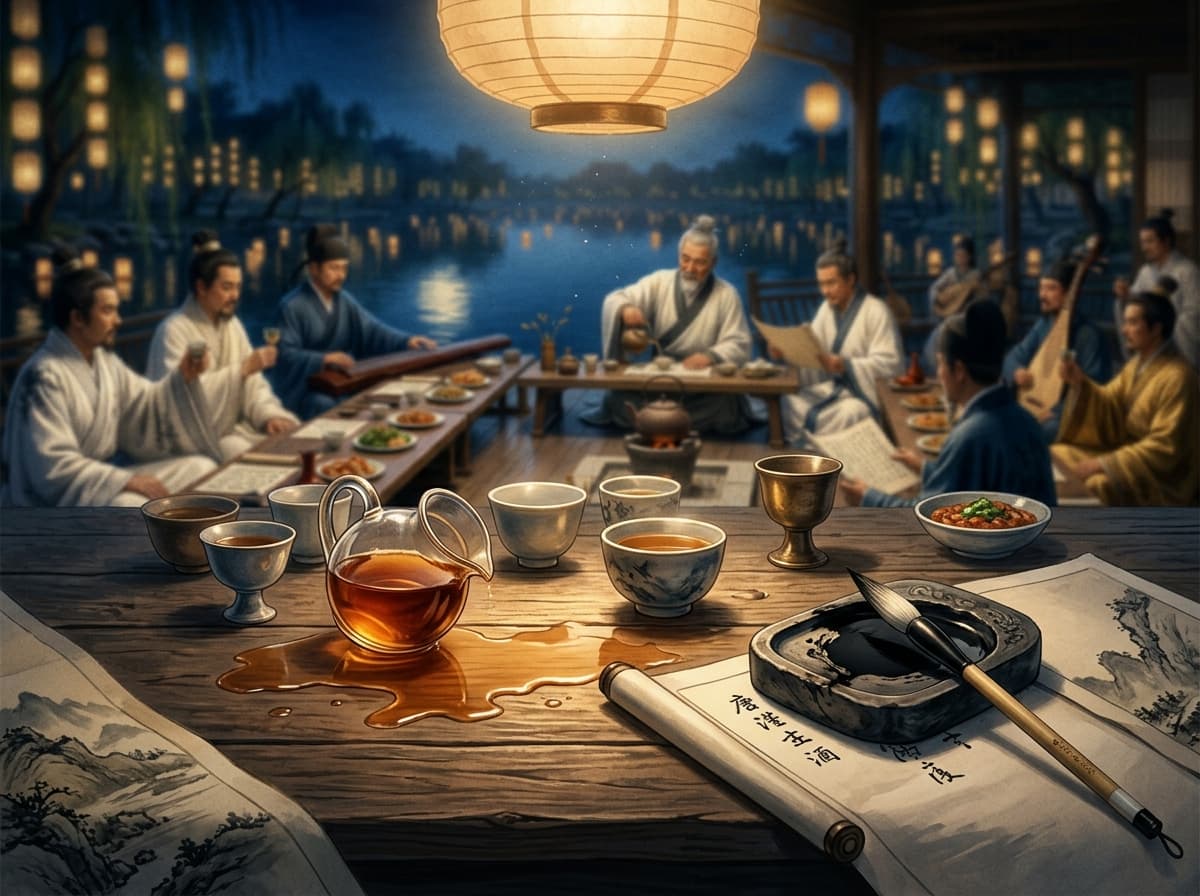
Wine cups and a brush on a banquet table beneath lantern light.
Advanced
Pro

Requires Pro

Li Bai is waiting

The Qujiang Poetry Banquet

Tang Dynasty

曲江宴Qū Jiāng Yàn

~20 min1 characterScripted path · Free talk8 words
中文PinyinChang'an, Qujiang Pool
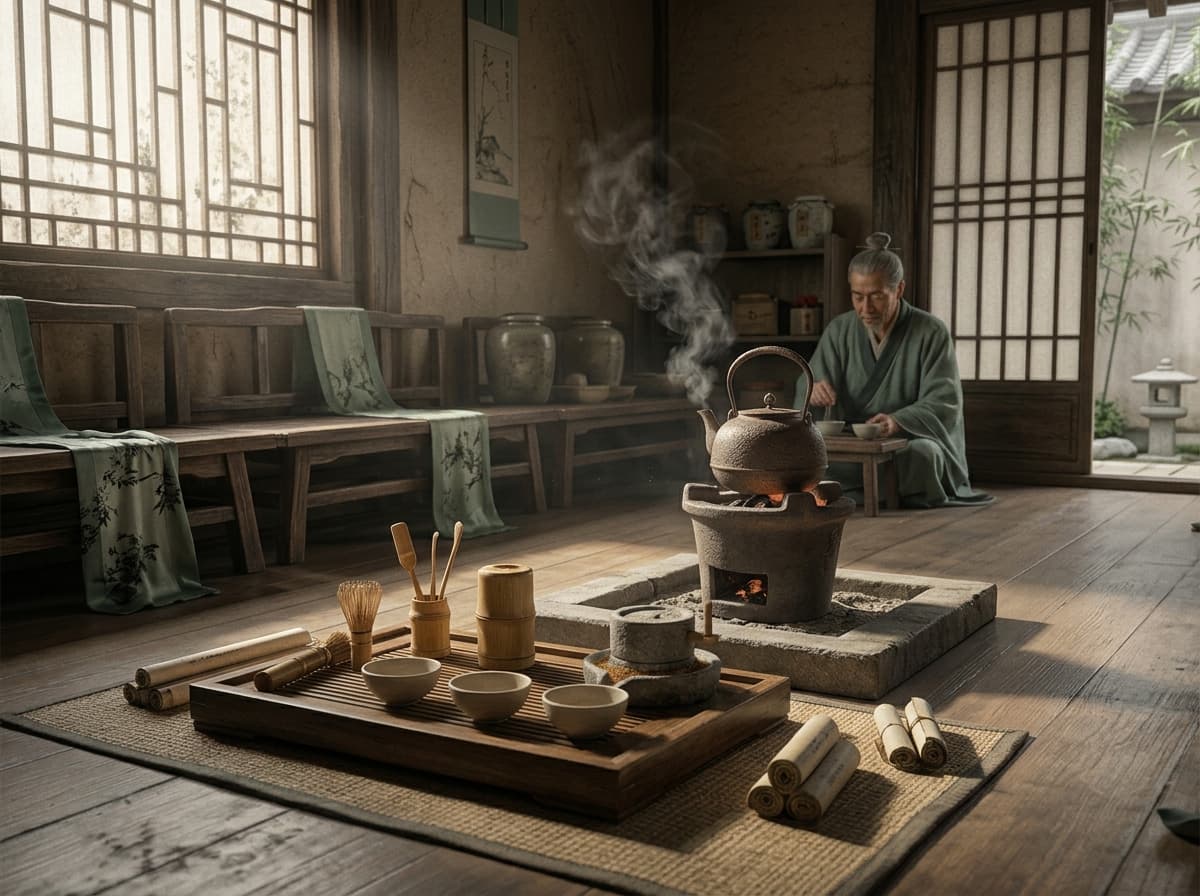
Iron kettle steaming on a brazier beside bamboo tea utensils.
Beginner
Pro

Requires Pro

Lu Yu is waiting

The Tea House on Zhuque Street

Tang Dynasty

茶馆Chá Guǎn

~15 min1 characterScripted path · Free talk8 words
中文PinyinChang'an, Zhuque Avenue
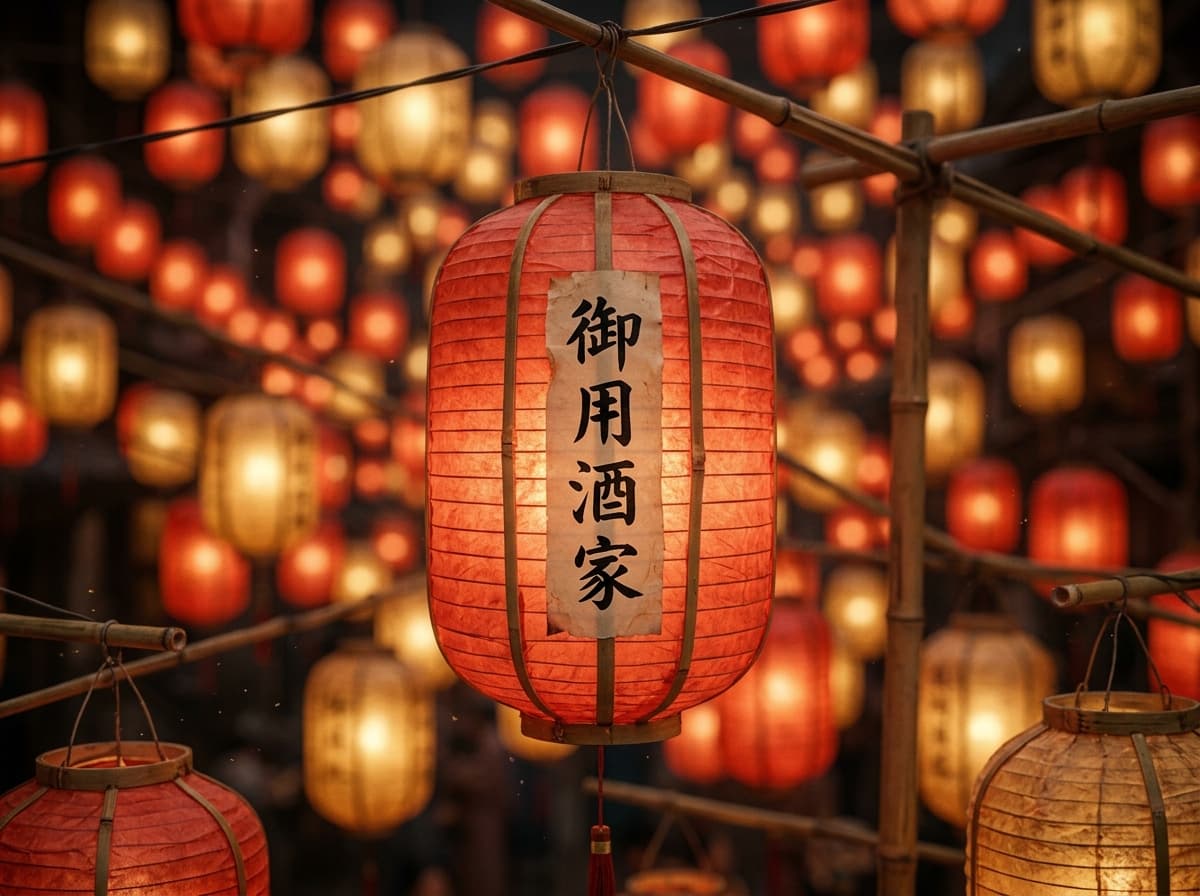
A single glowing paper lantern with a paper riddle slip pasted to its frame.
Intermediate
Pro

Requires Pro

Zhao Qiaoyun is waiting

The Lantern Festival

Song Dynasty

元宵灯会Yuán Xiāo Dēng Huì

~16 min1 characterScripted path · Free talk8 words
中文PinyinBianjing, the night market
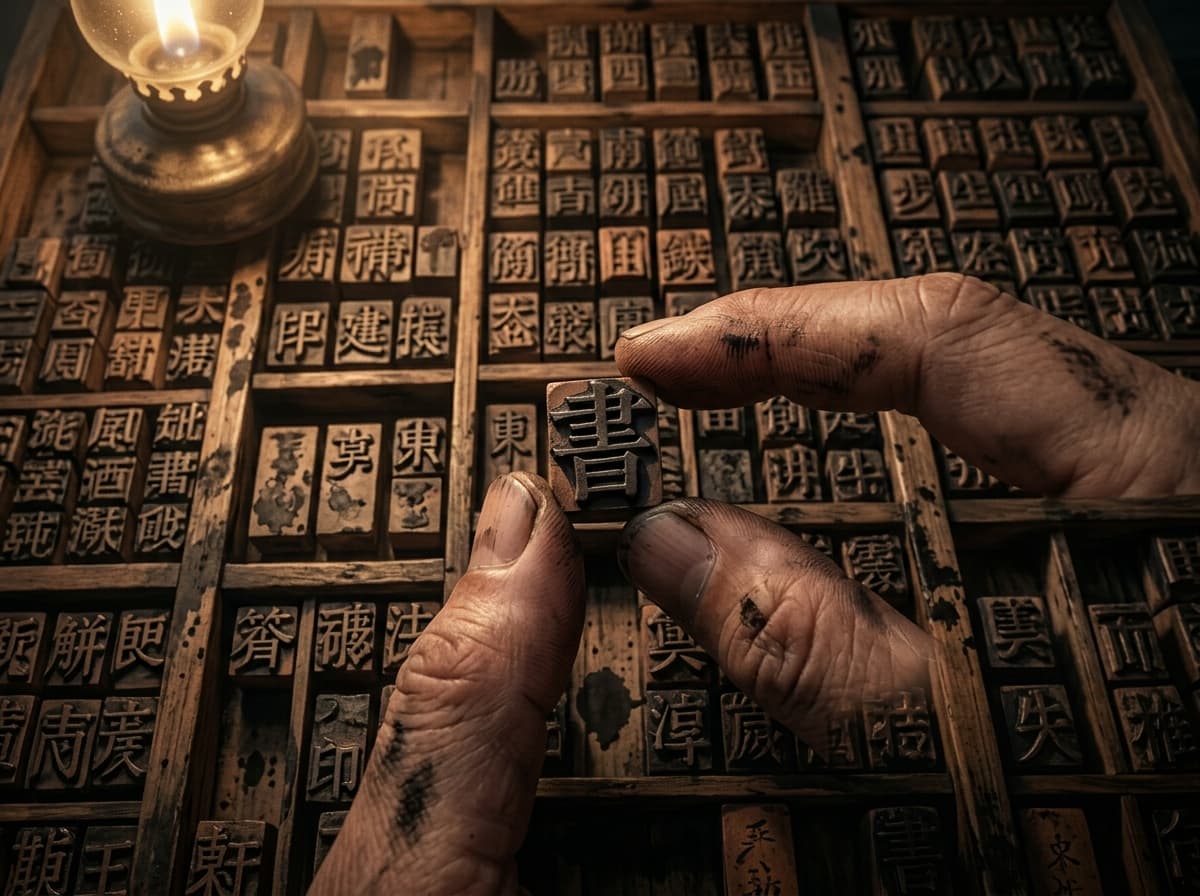
A compartmented tray of Song dynasty clay movable type characters.
Intermediate
Pro

Requires Pro

Bi Sheng is waiting

The Printing Workshop

Song Dynasty

书坊Shū Fāng

~18 min1 characterScripted path · Free talk8 words
中文PinyinBianjing, a bookshop lane
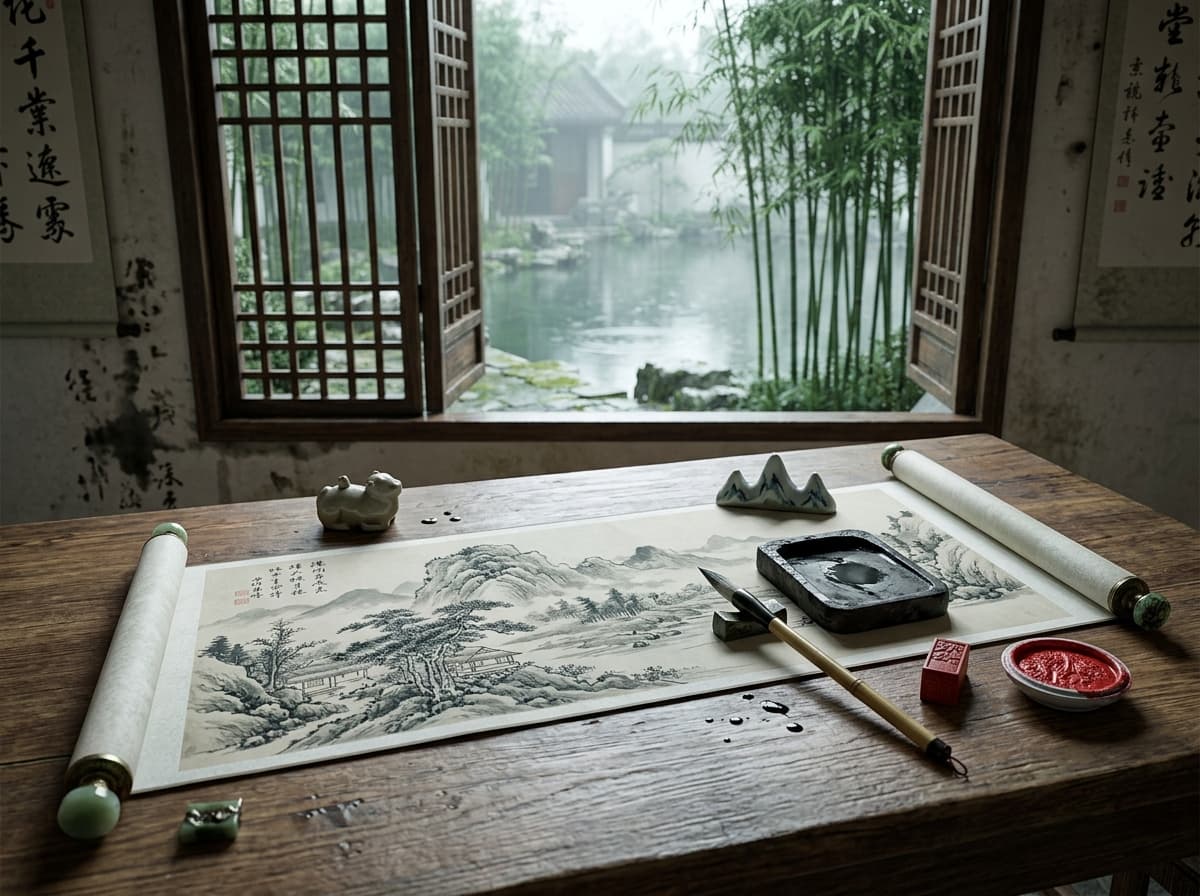
A studio window in a Ming garden with a brush, inkstone and scroll.
Master
Max

Requires Max

Wen Zhengming is waiting

The Scholar's Garden

Ming Dynasty

苏州园林Sū Zhōu Yuán Lín

~30 min1 characterFree talk7 words
中文PinyinSuzhou, a private garden
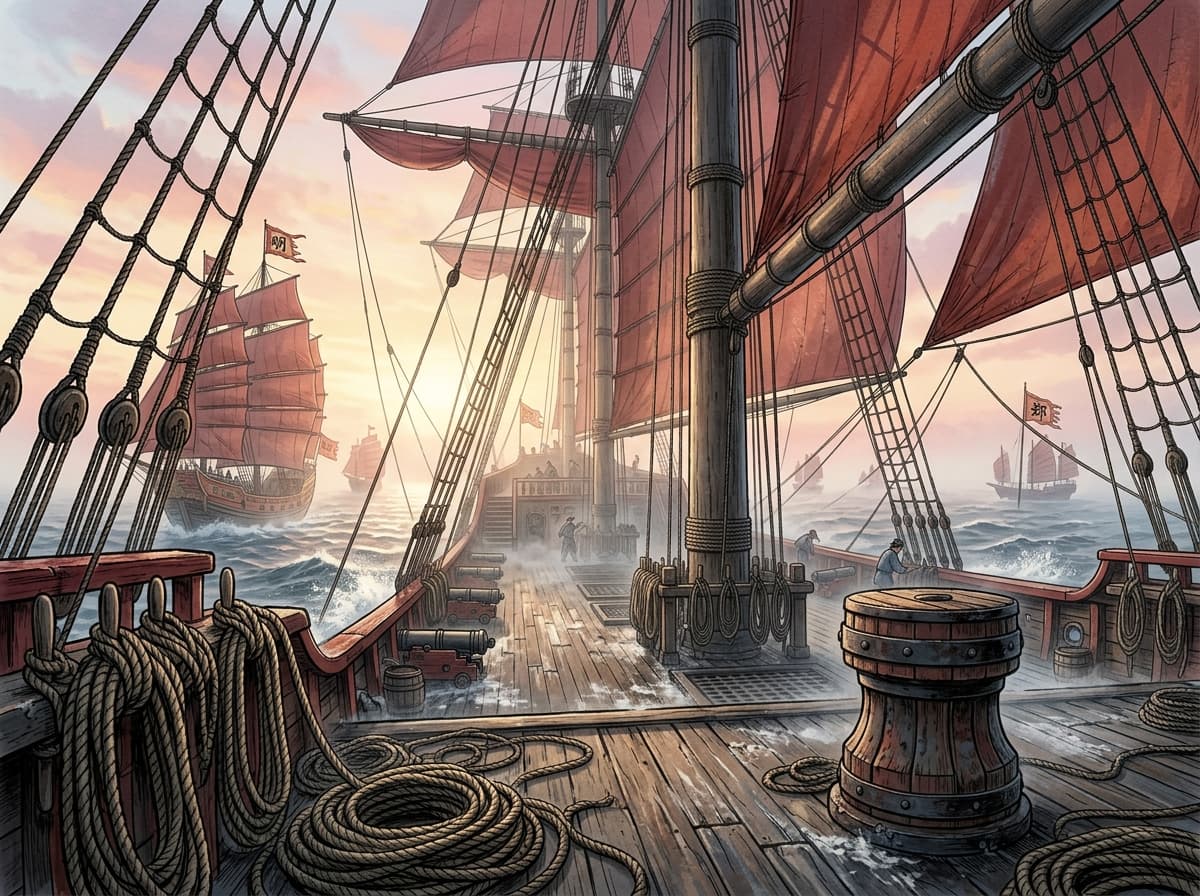
The prow of a Ming treasure ship with rigging and red sails above.
Advanced
Pro

Requires Pro

Zheng He is waiting

The Treasure Fleet Sails

Ming Dynasty

宝船启航Bǎo Chuán Qǐ Háng

~22 min1 characterScripted path · Free talk8 words
中文PinyinNanjing, the Longjiang shipyard
The Memory Log

What you take home

Idioms, figures, places and artefacts you collect by playing. Not flashcards — 和气生财 is something you took off a merchant in the West Market, and you will not forget where it came from.

LegendaryHistorical fact+150 XP

317 ships, 27,800 men

Zheng He's first voyage carried 317 vessels and roughly 27,800 people. The largest treasure ships were reported at over 400 feet — several times the length of anything afloat in Europe at the time.

RareIdiom+75 XP
对牛弹琴duì niú tán qín

To play the qin to a cow.

To offer something exquisite to someone incapable of appreciating it. The Tang court used it about poetry recited to soldiers; Li Bai uses it about courtiers.

CommonIdiom+40 XP
和气生财hé qì shēng cái

Harmony breeds wealth.

The shopkeeper's creed. A seller who stays pleasant makes more money than one who wins the argument — which is why Su Hexiang teases you about your tones instead of correcting them coldly.

CommonIdiom+40 XP
一分钱一分货yì fēn qián yì fēn huò

One coin's worth of money, one coin's worth of goods.

The universal answer to 太贵了. Its rhetorical power is that it reframes your complaint: you are not being overcharged, you are being offered exactly what you are paying for.

RareIdiom
How to unlock

Discuss restraint and negative space with Wen Zhengming.

CommonHistorical fact
How to unlock

Open the Language Helper while in the West Market.

17 entries in Ancient China, each with a rarity and an XP award.

Pricing

Start free. Stay for the dynasties.

No card to begin. One scene, ten turns a day, and the whole Memory Log — enough to know whether this works for you.

Free

Step into one scene

$0forever

One complete scene in each live world, in full. Enough to know whether talking your way through Tang China or Edo Japan is the thing you have been looking for.

  • The West Market and Nihonbashi starter scenes
  • 10 dialogue turns per day
  • Level-aware reading ruby (Pinyin or Romaji) and translation toggles
  • On-device voice for Mandarin, system voices everywhere
  • Historical Memory Log and daily streaks
Start free

10 dialogue turns per day

Most immersive

Pro

Every era, every script

$9.99per month

Every scene across Ancient China and Feudal Japan, each with an authored dialogue path that teaches the grammar at the exact moment you need it.

  • All Ancient China and Feudal Japan scenes
  • Script-guided dialogues with grammar notes
  • Voice playback for every character
  • The Language Helper: vocabulary and culture notes
  • Unlimited scripted turns

150 dialogue turns per day

Max

Unscripted, uncorrected, unstoppable

$19.99per month

Everything in Pro, plus the scenes with no script at all — an open conversation with a Ming scholar or a Noh master, corrected in real time as you write.

  • Everything in Pro
  • Uncapped dynamic free-talk with any character
  • Real-time grammar correction as you write
  • Personalised voice output options
  • Max-exclusive scenes, including The Scholar's Garden and The Noh Stage

Unlimited dialogue turns

Questions

Before you start

The things people ask about ChronoSpeak before their first scene.

Still unsure? The free scene needs no account — go and see.